What you should know
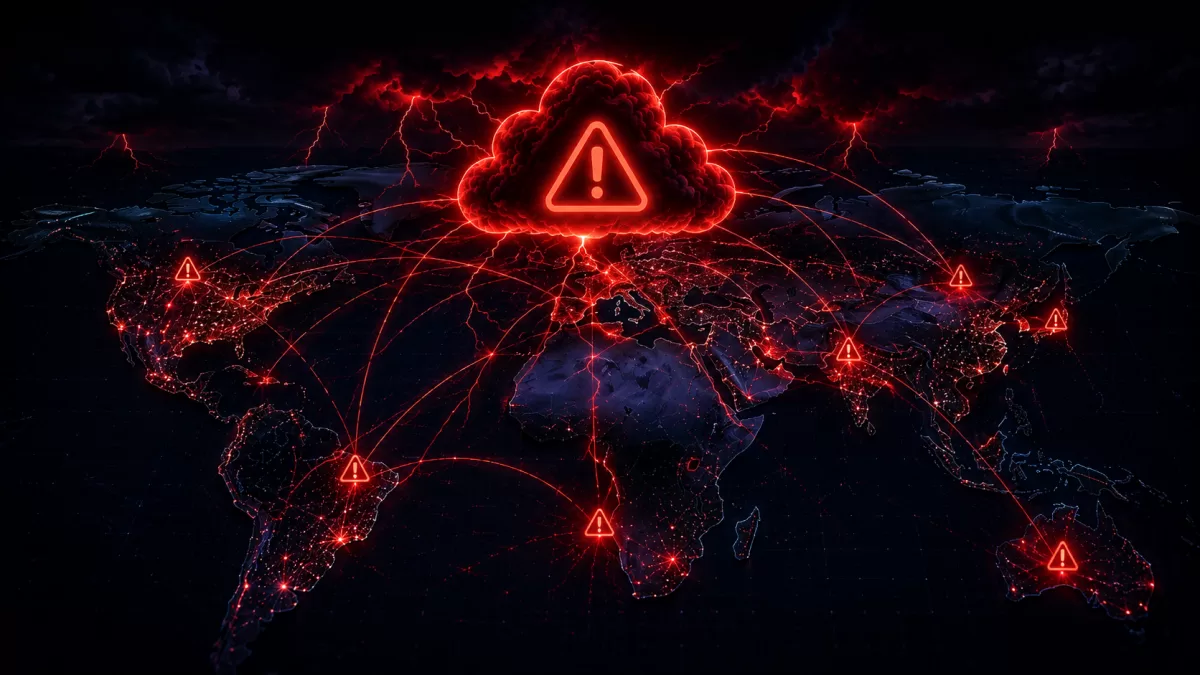
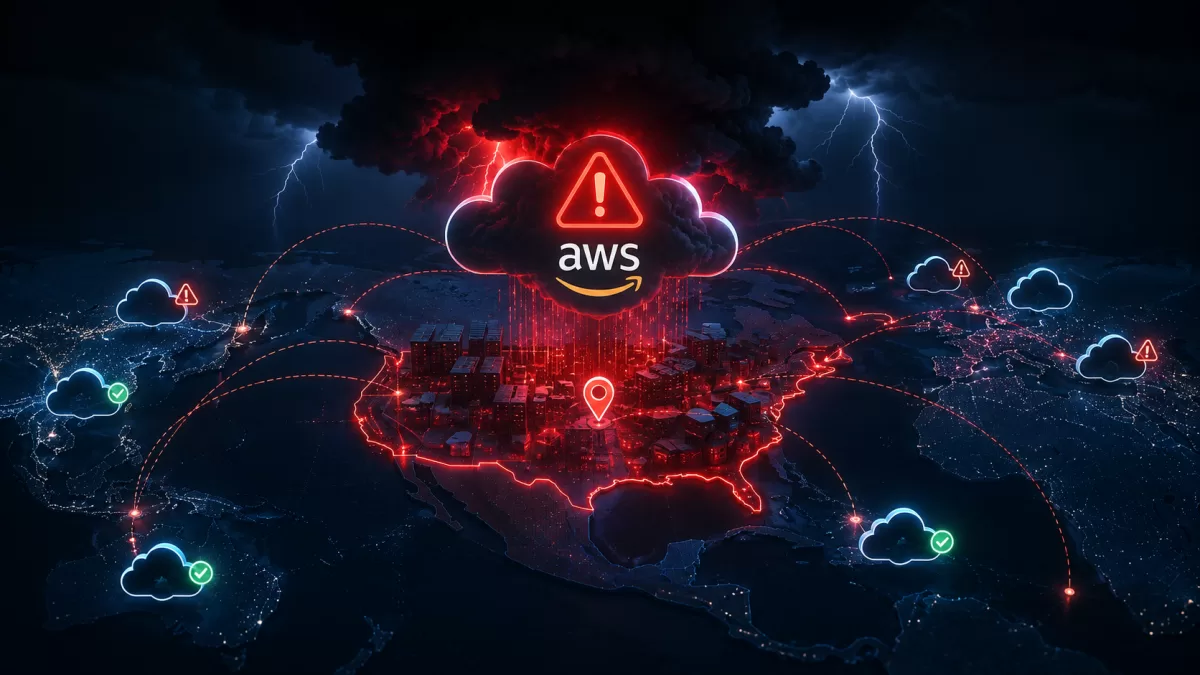
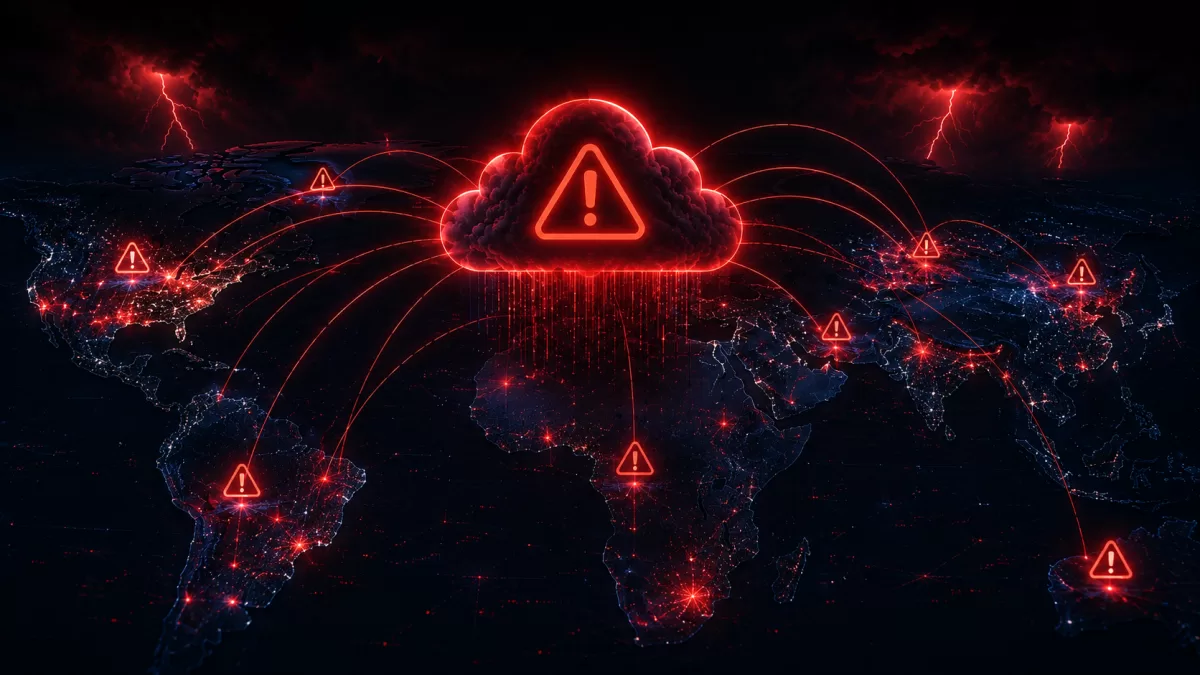
Cloudflare's 18 November 2025 outage affected core traffic after an internal database-permissions change caused an oversized Bot Management feature file to be propagated. Cloudflare stated that the event was not caused by a cyberattack. The incident demonstrates how an internal data or configuration error can have global consequences at infrastructure scale.
This topic matters because modern online services are built from several dependent layers rather than one isolated server. DNS, networking, operating systems, hosting limits, application code, databases, email infrastructure and external APIs can all influence the final user experience. A symptom visible in the browser may therefore originate somewhere very different from where it first appears.
Why it matters in practice
Effective troubleshooting starts with evidence collected while the issue is happening. Logs, latency measurements, resource graphs, SMTP responses, DNS answers and recent configuration changes help separate correlation from cause. Changing several components at once can hide the original problem and make rollback harder.
Operational resilience comes from layers. Current software, limited privileges, monitoring, tested backups, sensible resource isolation and clear rollback procedures reduce the consequences when one control fails. The objective is not to assume that failure can be eliminated, but to limit its blast radius and shorten recovery time.
Practical approach
Administrators should identify critical dependencies, define what normal operation looks like and keep enough historical data to compare incidents with healthy periods. Changes that affect global traffic, authentication or persistent data deserve staged deployment and explicit verification after release.
For site owners, the most useful question is not simply whether a feature is enabled, but whether it is configured correctly, monitored and recoverable. Reliable infrastructure is the result of disciplined operation over time, not a single optimization or security product.