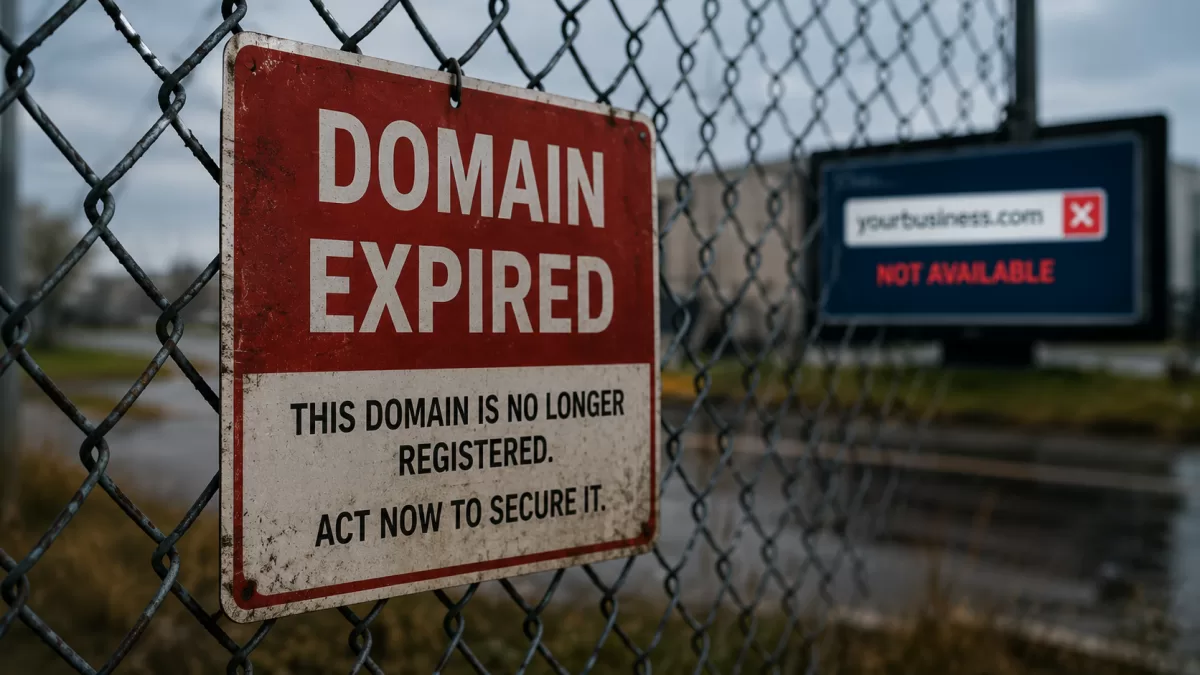
Who really controls your domain name? A business-continuity question worth asking
A domain can outlive websites, agencies and employees, so its ownership deserves deliberate management.
Updates, news and developments from hosting, security and Internet infrastructure.
A domain can outlive websites, agencies and employees, so its ownership deserves deliberate management.
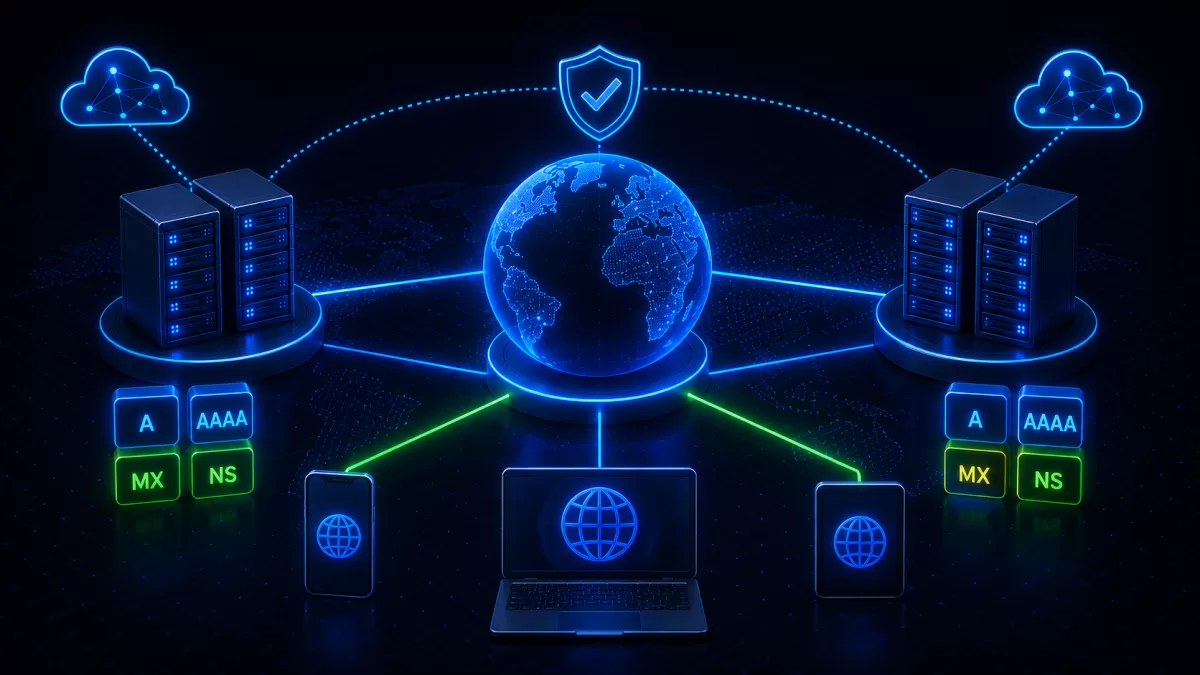
Multiple authoritative nameservers improve availability only when they do not all share the same failure domain.
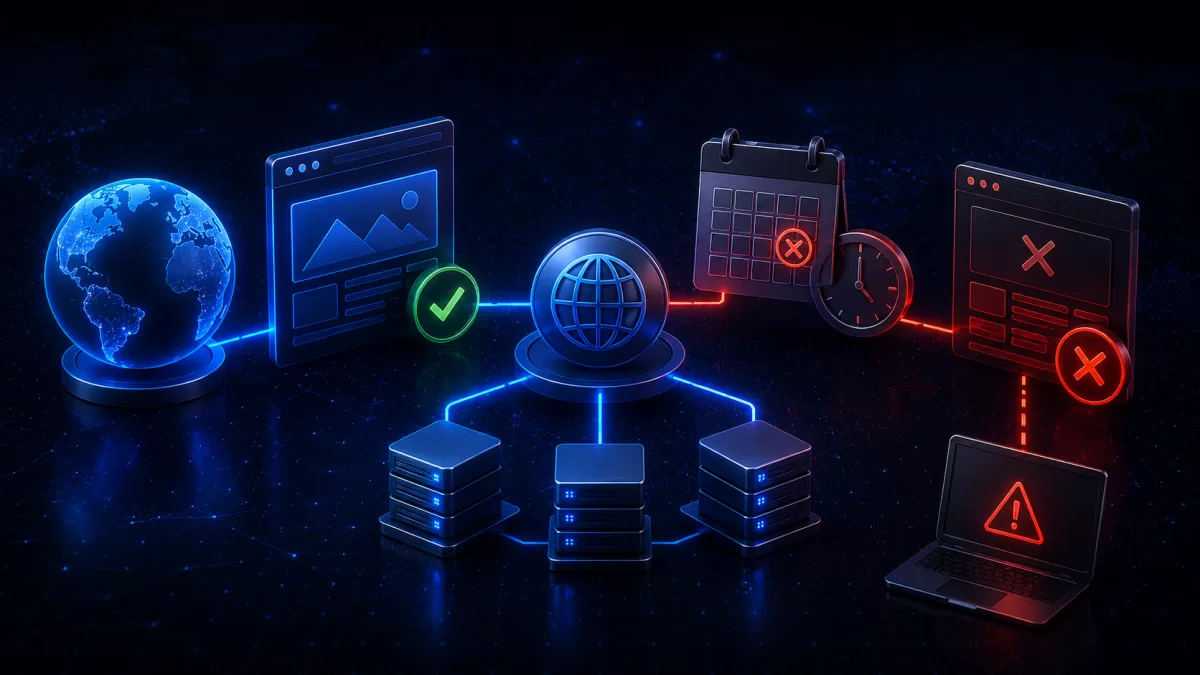
A web server can be operating perfectly while visitors can no longer reach the domain.
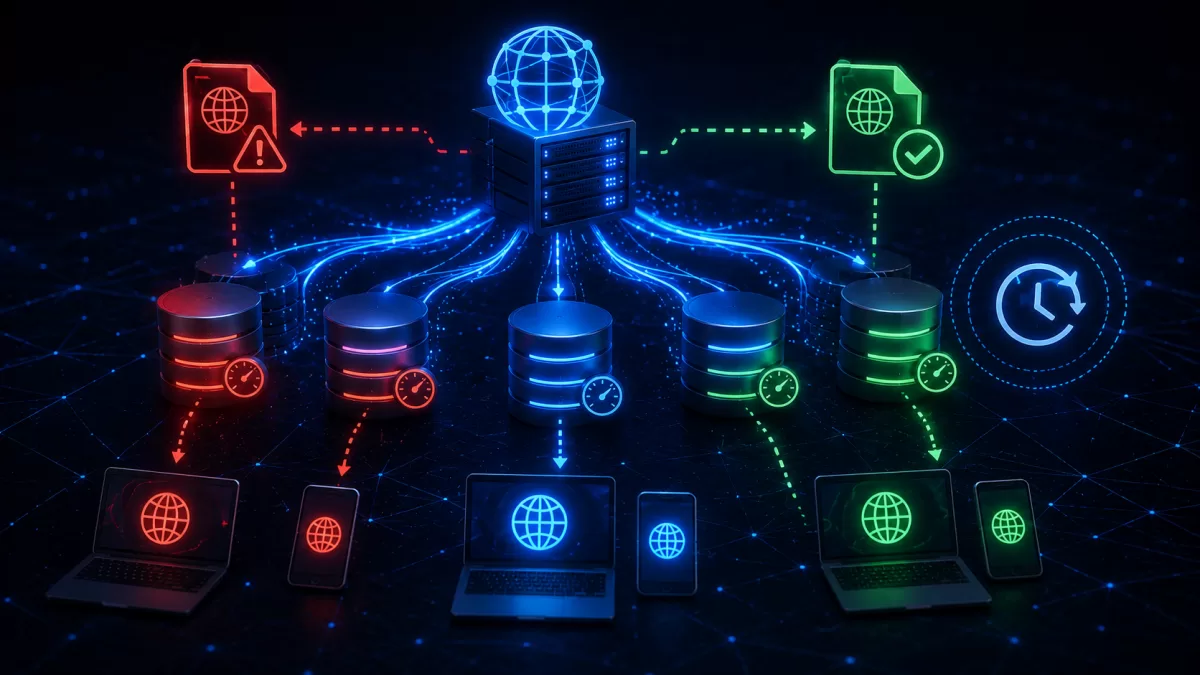
Recursive DNS caching improves performance and reduces load on authoritative nameservers.
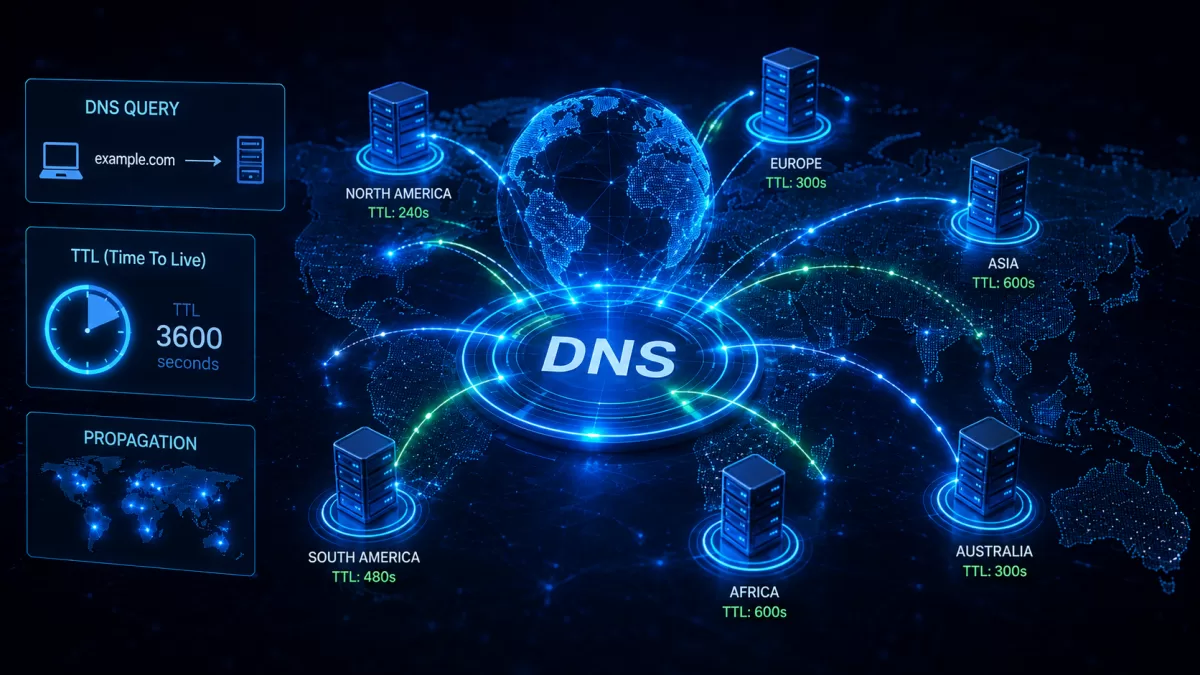
DNS changes do not need to be copied manually across the Internet. Recursive resolvers cache previous answers according to their TTL, so users…
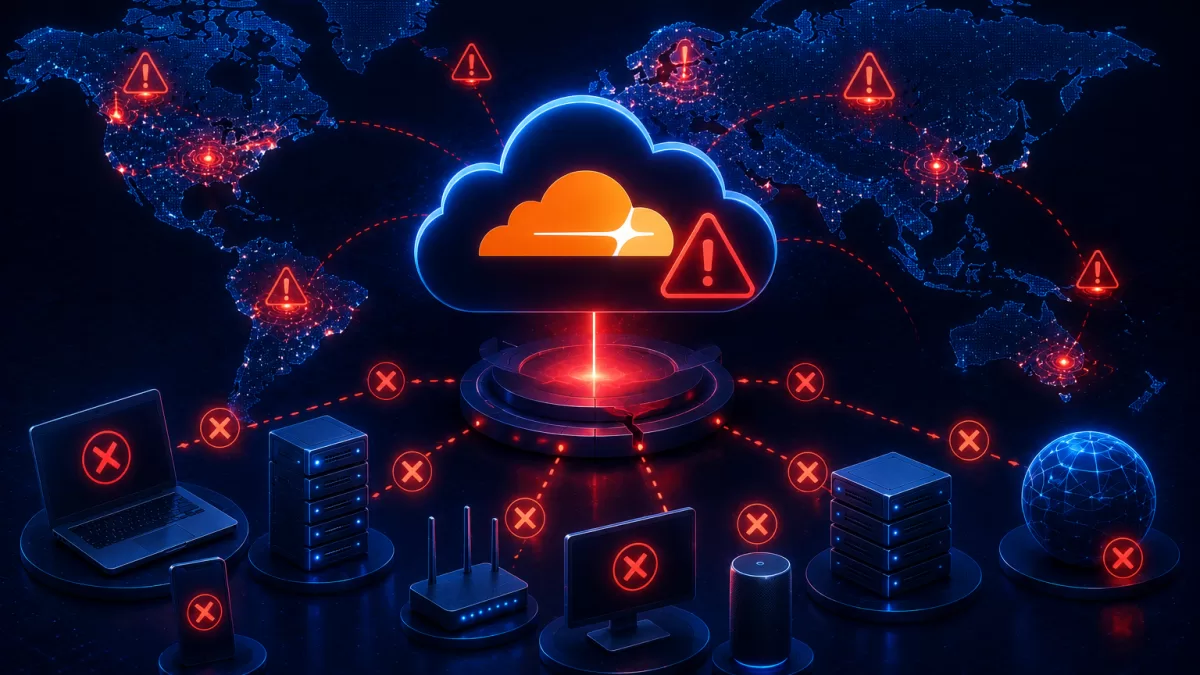
This article is based on a real 2025 incident or official security disclosure. Cloudflare reported that a service-topology change on 14 July 2025 caused an outage of its 1.1.1.1 public DNS resolver at the edge.
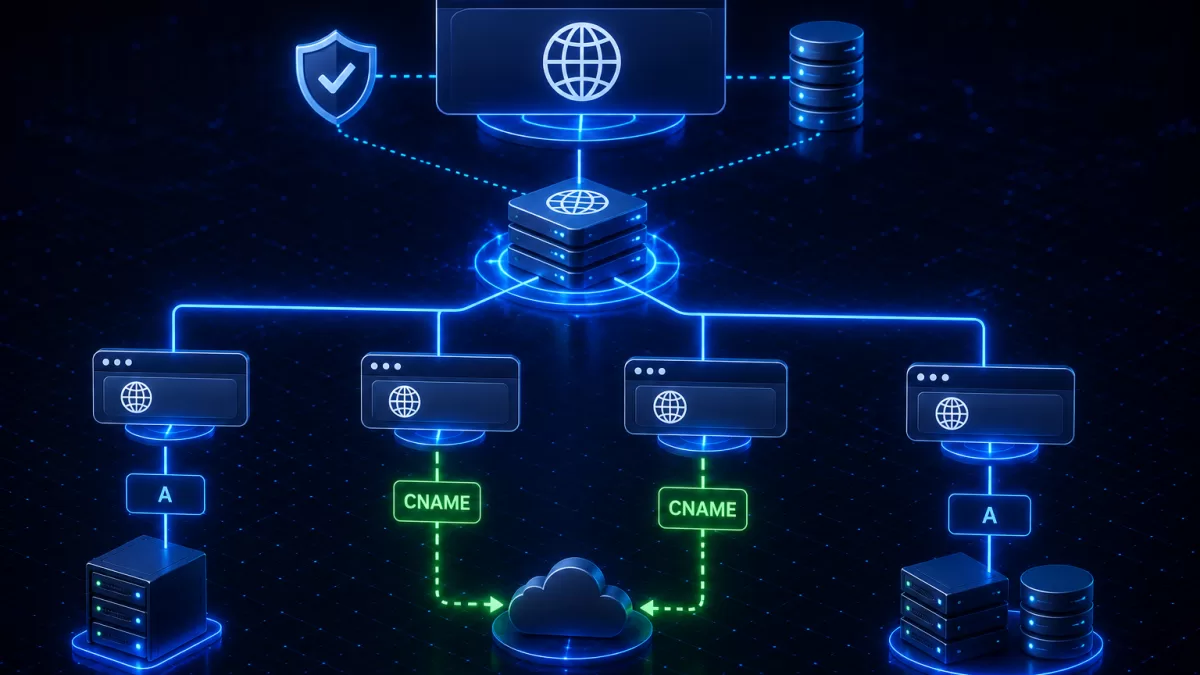
The aim is to connect the technology with everyday operational decisions. An A record maps a hostname directly to an IPv4 address, while a CNAME aliases one hostname to another.
The aim is to connect the technology with everyday operational decisions. A domain delegates authority to nameservers.
The aim is to connect the technology with everyday operational decisions. DNSSEC adds cryptographic validation to DNS responses so resolvers can verify that signed DNS data has not been altered in transit.
Network, cloud and connectivity failures show why resilience depends on multiple layers rather than a single platform.
TTL defines how long a DNS answer may remain cached before a resolver asks for fresh information.
Global connectivity relies on multiple paths, independent networks and mechanisms that can reroute traffic around failures.